


Contact Us

Blog
HomeBlog
10
Jul
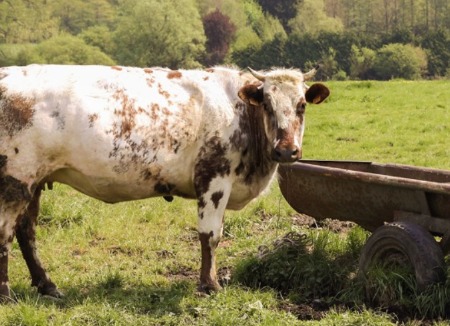
Hot weather
can significantly affect beef cattle performance. As temperatures rise, animals
eat less, pant more, drink more water, and divert energy from growth toward
maintaining body temperature. These changes often result in lower weight gain,
poorer feed efficiency, reduced immunity, and ultimately, decreased
profitability.While
shade, ventilation, and fresh water are essential for minimizing heat stress,
nutrition is equally important. Since cattle consume less feed during hot
weather, every bite must provide maximum nutritional value. A balanced feeding
program helps support rumen health, improve nutrient utilization, reduce
oxidative stress, and maintain growth despite challenging conditions.Heat stress
also alters normal feeding behavior. Cattle tend to consume fewer but larger
meals, increasing the risk of rumen pH fluctuations and subacute ruminal
acidosis (SARA). At the same time, increased panting reduces saliva production,
limiting the rumen`s natural buffering capacity. Ingredients such as live
yeast (Saccharomyces cerevisiae), sodium bicarbonate, and magnesium
oxide help stabilize rumen fermentation and support efficient digestion.Supporting
the animal`s metabolism is equally important. Betaine helps maintain
cellular hydration, while choline supports liver function and nutrient
metabolism. Essential trace minerals like zinc and iodine
contribute to immune function and metabolic health, and clinoptilolite
helps reduce the impact of mycotoxins, providing additional support during
periods of stress.Effective
heat stress management combines good husbandry with targeted nutrition. Feeding
during cooler hours, providing unlimited access to clean water, and maintaining
a balanced, highly digestible ration can help reduce production losses
throughout the summer.At Omega
Nutrition, our RelaxPrem formulation is designed to support cattle
during periods of heat stress. By combining betaine, choline, live yeast, rumen
buffers, trace minerals, and a mycotoxin binder, RelaxPrem helps maintain rumen
stability, improve nutrient utilization, and support animal resilience when
temperatures rise.As heat
stress becomes an increasingly common challenge, investing in proactive
nutritional strategies is one of the most effective ways to protect cattle
performance, animal welfare, and farm profitability.Top of Form Bottom of Form
24
Jun
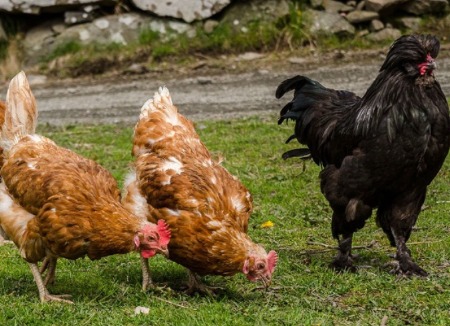
Summer can
be a difficult season for poultry producers. As temperatures rise, birds eat
less, become more stressed, and often struggle to maintain their normal growth
or production levels. Whether you`re raising broilers or layers, heat stress
can quickly impact performance and profitability.One of the
biggest challenges during hot weather is that birds need more nutritional
support at exactly the time they are consuming less feed. This means every
nutrient in the diet becomes even more important.Why Heat
Stress MattersWhen birds
are exposed to high temperatures, they naturally reduce their feed intake to
lower body heat production. Unfortunately, this also means they consume fewer
nutrients.As a result, birds may experience slower growth, poorer feed efficiency, reduced egg production, lower shell quality, weakened immune responses, and a greater risk of disease.While many
producers focus on ventilation and cooling systems, nutrition also plays a key
role in helping birds cope with heat stress.The
Importance of Liver HealthThe liver
is one of the hardest-working organs in the body. It is responsible for
processing nutrients, supporting metabolism, and helping birds deal with toxins
and stress.During
periods of heat stress, supporting liver function becomes especially important.Omega
Nutrition`s Hepato is designed to help maintain healthy liver function
and support birds during challenging conditions. By helping the liver work
efficiently, these products can contribute to better nutrient utilization and
overall flock performance.Why Methionine Becomes Even More Important During Heat StressAmong all amino acids, methionine plays a particularly important role during periods of heat stress. As birds reduce their feed intake, they consume less methionine at a time when their bodies need additional support to cope with environmental challenges.Methionine is not only essential for growth and production; it also contributes to antioxidant defense mechanisms and supports liver function. This makes it especially valuable during hot weather, when birds experience increased oxidative stress and metabolic pressure.Adequate methionine levels can help support growth and feed efficiency, maintain egg production and egg quality, strengthen immune function, improve antioxidant status and support healthy liver metabolism.Simply increasing crude protein is not always the answer. A well-balanced amino acid profile, with particular attention to methionine, allows birds to utilize nutrients more efficiently while minimizing unnecessary metabolic stress.When combined with effective liver support solutions such as Omega Nutrition`s Hepato, proper methionine nutrition can help poultry producers maintain flock performance even under challenging summer conditions.Getting
the Nutritional Balance RightWhen feed
intake drops, the quality of nutrition becomes even more important than the
quantity. Balanced amino acids, vitamins, and minerals help birds make the most
of every gram of feed they consume.This is
where high-quality premixes can make a real difference.LayerPremFor laying
hens, heat stress often leads to a drop in egg production and shell quality. LayerPrem
provides essential nutrients that help support production, egg quality, and
overall flock health during periods of environmental stress.ChickPremYoung
chicks are particularly sensitive to stress. Providing the right nutrition from
the start helps build a stronger foundation for future performance. ChickPrem supports early growth, development,
and overall vitality, helping young birds cope better with challenging
conditions.A
Complete Approach to Heat StressThere is no
single solution to heat stress. Successful producers combine good farm
management with targeted nutritional support.Providing
adequate ventilation, clean water, balanced diets, and effective nutritional
supplements can help birds stay healthier and more productive throughout the
summer.Omega
Nutrition`s range of products -including Hepato, LayerPrem, and ChickPrem- offers practical nutritional solutions to help poultry producers
minimize the negative effects of heat stress and maintain performance when
temperatures rise.Heat stress
is a challenge every poultry producer faces, but its impact can be reduced with
the right nutritional strategy. Supporting liver health, maintaining nutrient
balance, and providing targeted supplementation can help birds stay productive,
healthy, and resilient throughout the hottest months of the year.References:https://www.feedandadditive.com/addressing-heat-stress-through-amino-acid-balancing/

20
Apr
Organic acids and essential oils are widely used in poultry nutrition as they support digestive health, pathogen control, and overall performance.Organic acids help maintain proper pH in the digestive tract, support enzyme activity, and suppress the growth of harmful microorganisms. They also promote beneficial fermentation, enhancing nutrient utilization.Essential oils, with their natural antibacterial properties, limit the growth of pathogenic bacteria while supporting beneficial microflora. This positively affects appetite, nutrient absorption, and overall performance.Omega EsoilContains essential oils with natural antimicrobial properties. Supports respiratory and digestive health and helps reduce performance losses during heat stress and seasonal transitions.

20
Apr
In
livestock farming today, efficiency, animal health, and sustainability are all
tied together. Farmers are looking for solutions that support all three without
making things more complicated. This is where licking blocks, a very familiar
product, are starting to evolve.Traditionally,
licking blocks have been used to provide salt and essential minerals. Animals
naturally lick them as needed, helping balance their intake. With the addition
of seaweed powder, this simple product becomes more than just a basic
supplement.Seaweed,
such as kelp and other marine algae, is naturally rich in iodine and trace
minerals. It’s also easy for animals to absorb and works well within their
digestive system. When included in licking blocks, it adds a more balanced and
natural source of nutrients.It also
improves palatability, which means animals tend to use the block more regularly
- something that isn’t always guaranteed with standard mineral blocks.In
practice, seaweed-enriched blocks help support better digestion and feed use,
stronger overall condition, more consistent growth and performance and reduced
risk of mineral deficiencies. These benefits are especially noticeable in
grazing systems or in areas where soil quality is not ideal.Seaweed is
also getting attention for its potential role in reducing methane emissions
in ruminants. While this depends on the type and usage, it adds another layer
of interest, particularly for markets where sustainability is becoming more
important.There is a
clear shift toward more natural and functional livestock products.
Seaweed-enriched licking blocks fit well into this space - they’re easy to use,
familiar to farmers, but offer something extra in terms of value.
Omega
Seaweed-Enriched Licking Blocks don’t change the concept - they improve it. By
adding a natural, nutrient-rich ingredient to a proven product, they offer a
straightforward way to support animal health and performance in everyday
farming conditions.
1
Dec
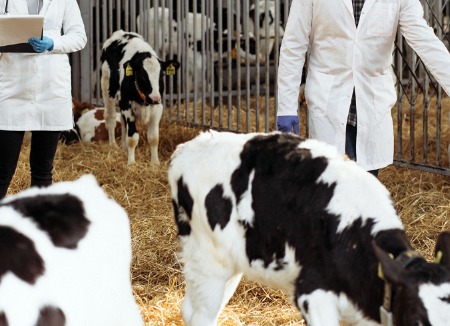
Acute rumen acidosis occurs when animals consume excessive amounts of rapidly fermentable carbohydrates such as sugar beet, bread, bran, or grains without a proper adaptation period. This condition is commonly seen when transitioning to high-energy rations after a period of feed restriction or when feed formulations are abruptly changed—particularly when roughage is reduced and concentrate feed is increased.
Rumen acidosis is characterized by the accumulation of acids in the rumen, leading to a drop in rumen pH and disruption of normal fermentation processes. If not addressed in time, rumen function is impaired, animal health and productivity decline, and the balance of beneficial rumen microflora is disturbed.
In addition to proper feeding management, well-formulated feed additives can help support rumen health and reduce the severity of acidosis.
Omega Rumen Balance
A targeted nutritional support product developed to help stabilize rumen pH through a sustained buffering effect. It supports the rebalancing of rumen microflora and contributes to the faster recovery of digestive functions.
Omega Bicarbprem
A complementary product formulated to help control excessive acid production associated with sudden dietary changes. It supports balanced rumen fermentation, improving nutrient utilization and overall digestive efficiency.
8
Jan
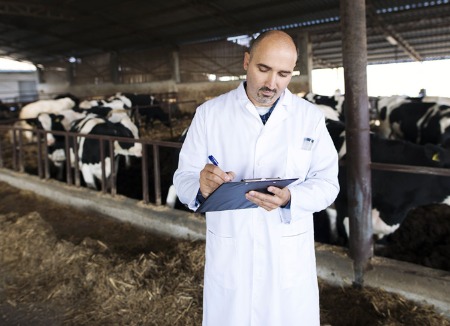
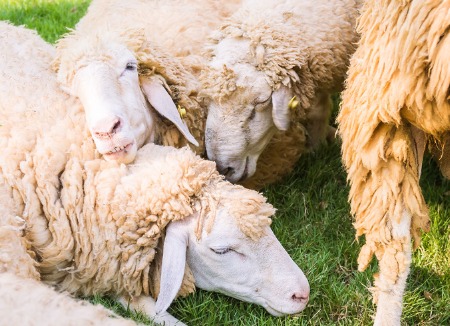
Laminitis is a condition characterized by inflammation of the internal hoof structures and is one of the most common and serious hoof health problems, particularly in high-yield dairy cattle. If not properly managed, it can lead to pain, reduced mobility, and significant productivity losses.
Laminitis develops as a result of multiple contributing factors, including metabolic disorders such as rumen acidosis, inadequate housing conditions, and nutritional imbalances. Deficiencies in trace minerals such as copper, sulfur, and zinc are closely associated with impaired hoof health.
These micronutrients play a critical role in hoof tissue formation and overall metabolic functions. In cases of deficiency, hoof structure weakens, increasing susceptibility to inflammation and tissue damage.
Proper nutrition is a key factor in the prevention and management of laminitis. Targeted feed additives, used alongside balanced rations and effective herd health practices, can help reduce risk and support hoof integrity.
Omega Promix
Formulated for ruminants, Omega Promix contains a balanced combination of vitamins, minerals, and proteins that support daily nutritional requirements. It helps address micronutrient deficiencies, supports hoof health, and reduces metabolic stress.
Omega Biotin Plus
Developed for professional livestock operations and on-farm feed formulations, Omega Biotin Plus contains biotin along with selected vitamins and minerals that support hoof strength and tissue integrity. By enhancing horn quality and metabolic balance, it contributes to reducing the risk of nutrition-related laminitis.
23
Jan
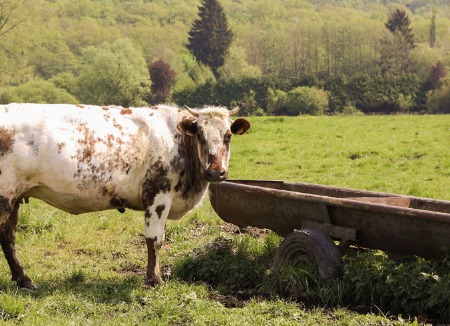
Fatty liver syndrome is a metabolic disorder commonly observed in dairy cattle, particularly during early lactation. As energy demands increase rapidly during this period, body fat is excessively mobilized, leading to the accumulation of triglycerides in the liver tissue and impairment of liver function. If not properly managed, it negatively affects animal health, feed efficiency, and overall productivity.
The primary cause of fatty liver syndrome is the energy imbalance that occurs during high production periods. When dietary energy intake fails to meet the animal’s requirements, body fat reserves are mobilized. Excessive fat mobilization exceeds the liver’s capacity to metabolize fats, resulting in fat accumulation in hepatocytes and weakened metabolic functions.
Targeted nutritional support plays a vital role in both the prevention and management of fatty liver syndrome. Properly formulated feed additives help support liver health, enhance metabolic resilience, and improve nutrient utilization.
Omega Hepatic Forte
A high-density, well-balanced premix designed to support liver integrity and overall metabolic resilience. It contains nutrients that protect and help regenerate liver cells; its formula, enriched with choline chloride, helps reduce fat accumulation in the liver.
Omega Hepato
Specifically developed for poultry. It supports liver function during critical periods such as growth, development, and egg production. Its content, including propylene glycol and sorbitol, contributes to digestive regulation and enzyme activity, helping to reduce nutrition-related liver stress.
Omega Hyper Digestion
A comprehensive formulation containing vitamins, electrolytes, amino acids, and essential oils. It supports digestive balance and enhances nutrient absorption. By improving feed efficiency, it contributes to maintaining liver function under metabolic stress conditions.
Omega MelaMix
Developed for animals experiencing metabolic challenges due to insufficient or irregular feeding. It provides rapid energy from molasses along with essential vitamins and minerals. It supports rumen function, improves nutrient utilization, and may contribute to enhanced milk production during lactation.
13
Jan
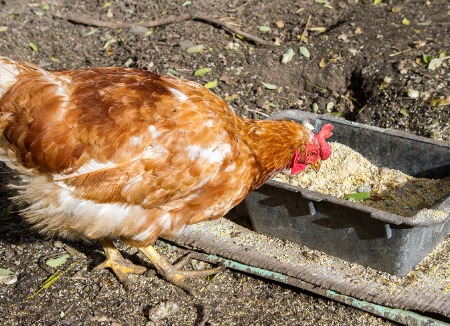
Grass tetany, also known as hypomagnesemia, wheat pasture poisoning, or grass staggers, is a metabolic disorder that primarily affects grazing ruminants, especially during seasonal pasture transitions. It is associated with insufficient magnesium intake or impaired absorption, leading to disruptions in neuromuscular function, reduced feed intake, and in advanced cases, muscle spasms, collapse, or even death if left untreated.
Grass tetany most commonly occurs in early spring or during periods of rapid pasture growth. During these times, forage is typically high in nitrogen (N) and potassium (K) but low in magnesium (Mg). Elevated nitrogen and potassium levels interfere with magnesium absorption in the rumen, resulting in systemic magnesium deficiency.
When this mineral imbalance persists, animals become more susceptible to metabolic stress, particularly under high production demands or environmental stress conditions, leading to the onset of clinical symptoms.
Proper feeding management plays a critical role in reducing the risk of grass tetany and supporting recovery when symptoms occur. In addition to balanced rations, targeted feed additives can help regulate mineral balance and support metabolic stability.
Omega Hepatic Forte
A comprehensive nutritional support product formulated to enhance metabolic and immune functions. With its high magnesium content and complementary nutrients, it helps address magnesium deficiencies and contributes to reducing the risk of grass tetany.
Omega Rumen Balance
Developed to support rumen stability and fermentation efficiency. It helps maintain a balanced rumen pH and optimize nutrient utilization. Particularly beneficial during dietary transition periods, it aids in managing mineral imbalances that may arise.
10
Feb
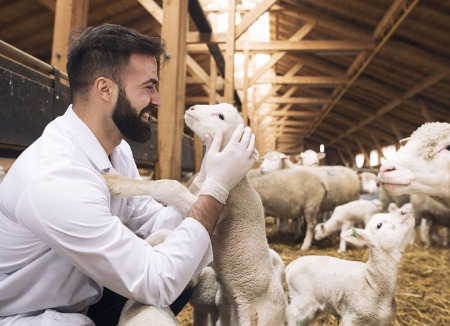
The red poultry mite (Dermanyssus gallinae) is a common external parasite found in environments housing laying hens and other poultry. These blood-feeding mites hide in cracks and crevices during the day and become active at night, feeding briefly before returning to their hiding places.
Adult mites are highly resilient; they can survive for extended periods without feeding and withstand environmental stress conditions. Once established, their population becomes difficult to control.
Red poultry mites can have serious negative effects on flock health and productivity:Reduced Egg Production: Egg yield may decrease by 10–15% due to stress and blood loss.Poor Egg Quality: Shell thinning and an increase in shell defects may occur.Weight Loss: Continuous irritation and blood loss can lead to reduced body weight.Stress and Behavioral Changes: Restlessness, increased activity, and reduced feed intake are commonly observed.Anemia and Immune Suppression: Severe infestations can cause anemia, weakening the immune system and increasing susceptibility to secondary diseases.
If left untreated, heavy infestations may lead to increased mortality and significant production losses.
Effective control of red poultry mites requires integrated strategies, including environmental management, biosecurity practices, and supportive nutritional products.
Omega Bittoks
A natural support product formulated to help repel blood-feeding mites in poultry housing environments. Its combination of sulfur and plant extracts creates an unfavorable environment for mites, helping to reduce itching and irritation in the presence of infestation. Omega Bittoks is designed to be safe for both animals and handlers; its components may also contribute to strengthening the immune response and improving resistance to stress factors.
11
Feb
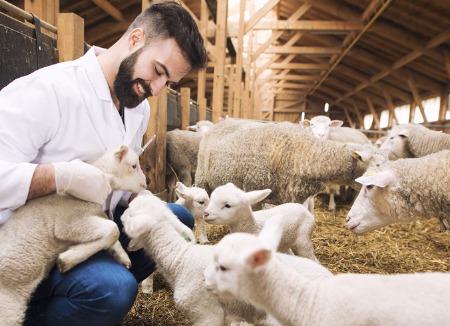
Reproductive efficiency is a critical factor in dairy farming for achieving healthy calf production and maximizing annual milk yield. In high-producing dairy cows, reproductive performance issues may arise, particularly during late gestation and early lactation, due to physiological adaptations and increased nutritional demands.
During the postpartum period, hormonal changes can limit dry matter intake for up to 100 days, while milk production continues to increase. When nutrient intake does not meet energy and mineral requirements, body reserves are mobilized. This imbalance may lead to delayed estrus and reduced reproductive performance.
Antioxidants such as vitamin E, selenium, and beta-carotene have been shown to help reduce inflammation, support uterine function, and improve conception rates.
Proper nutritional support during the transition period is essential for achieving optimal reproductive outcomes. The following product is formulated to support fertility, immune function, and overall metabolic balance:
Omega Fertil
A targeted premix developed to support reproductive performance and immune health. It contains essential vitamins, trace minerals, and beta-carotene that support ovarian activity, hormonal balance, and fertilization. Additionally, its iodine content contributes to thyroid and liver function, supporting overall reproductive health.
22
Jan
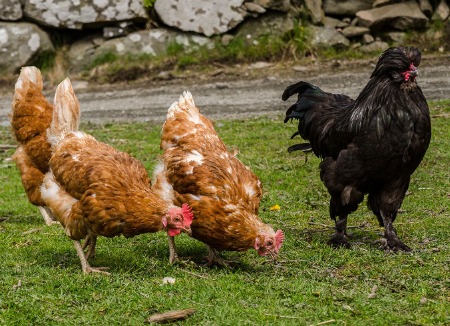
Hypocalcemia is a significant metabolic disorder in cows, sheep, and goats, occurring primarily during the postpartum period due to a sudden drop in blood calcium levels. In severe cases, it can lead to paralysis if left untreated.
After calving, the rapid increase in milk production causes a sudden rise in calcium demand. When this demand is not met, the clinical condition known as milk fever emerges. Most cases occur within the first 72 hours after calving, although cases can also arise a week before or after parturition.
Hypocalcemia progresses through different clinical stages and can advance rapidly if not addressed promptly. Early signs include muscle tremors, shivering in the hindquarters, and general weakness. As the disease advances, animals may struggle to stand, lie down in a sternal position, and rest their heads on feed troughs. Delayed intervention can lead to loss of consciousness and coma. These symptoms typically progress sequentially and can seriously threaten the animal’s life.
The primary cause of hypocalcemia is an imbalance between calcium and phosphorus. The ideal Ca/P ratio should be between 1:1 and 2:1, but incorrect feeding during the dry period can disrupt this balance. Additionally, insufficient mobilization of calcium stored in the bones postpartum and metabolic disorders affecting calcium and phosphorus absorption in the intestines increase the risk of hypocalcemia. Inadequate mineral support during the transition period plays a key role in disease development.
Omega Milk Block
Formulated for pre- and postpartum periods to meet the increasing vitamin and mineral needs of animals. Its content of extra calcium, phosphorus, manganese, cobalt, iodine, and vitamins A, D, and E helps reduce the risk of milk fever and bone demineralization in dairy cows. Free-choice consumption makes it practical and effective.
Omega Milkprem
Designed to meet the vitamin and mineral requirements of dairy cows during pregnancy and lactation. Its balanced calcium/phosphorus ratio helps prevent hypocalcemia and bone demineralization. Additionally, it supports nutrient utilization and helps maintain milk production.
Omega MelaMix
Formulated to meet the increased energy needs during the dry period and early lactation. With rapid energy from molasses and essential vitamins and minerals, it supports the prevention of metabolic disorders such as milk fever and helps animals transition more healthily through the periparturient period.
4
Feb
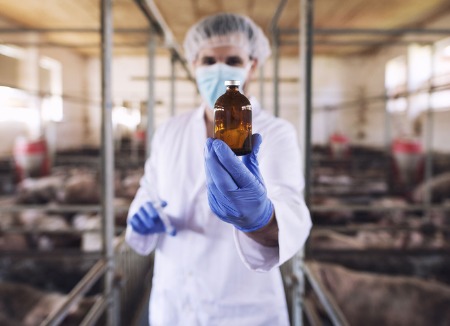
Organic acids help acidify the stomach content in poultry, supporting the maintenance of an optimal pH balance in the digestive system. Proper pH levels enhance the activity of digestive enzymes while creating an unfavorable environment for harmful microorganisms. Additionally, organic acids promote the growth of beneficial lactic acid-producing bacteria in the gut, supporting intestinal health and positively impacting overall performance.
By suppressing pathogenic microorganisms and balancing stomach acidity, organic acids can increase appetite, stabilize feed intake, and improve feed efficiency. This provides significant advantages for growth performance and productivity in poultry.
Essential oils, used alone or in combination with other feed additives, support safe, economical, and sustainable animal production. Their natural antibacterial properties help maintain digestive system microflora and contribute to overall animal health.
With restrictions on antibiotic use in feed, essential oils have become widely used in poultry diets due to their ability to reduce pathogenic microbial load and positively influence growth performance, carcass yield, and overall productivity.
Omega Acid Liquid
Helps balance stomach pH in poultry, creating an acidic environment favorable for beneficial bacteria. It supports disease protection in the digestive system and improves feed utilization, contributing to enhanced performance and productivity.
Omega Esoil
The natural antibacterial effects of its essential oils help enhance resistance to respiratory diseases. It is recommended during seasonal transitions, heat stress in summer, and sudden temperature changes to minimize production losses.
11
Feb
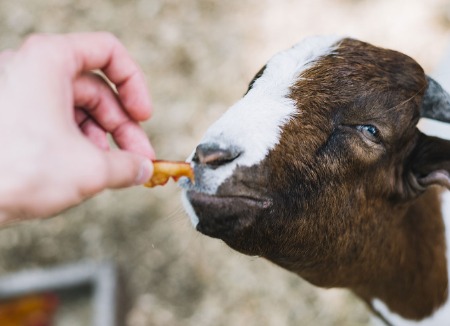
Vitamins are organic compounds that animals cannot synthesize in sufficient amounts on their own but are essential for normal metabolic functions. Insufficient vitamin intake affects multiple physiological systems and leads to characteristic deficiency signs.7
In ruminants, vitamin C can be partially synthesized in the rumen, but in modern livestock production, dietary vitamin supplementation is generally required for optimal health and performance.
Signs and Consequences of Vitamin Deficiency:Growth and Development: Insufficient vitamin intake slows growth.Reproduction and Fertility: Deficiencies in certain vitamins reduce reproductive performance.Immune System: Vitamins play a critical role in immune competence.Skeleton and Egg Quality: Vitamins A and D support calcium metabolism; deficiencies can lead to weak bones and poor eggshell quality.Neuromuscular Health: Deficiencies, particularly in vitamin E and low selenium, can cause serious issues like white muscle disease.
In modern poultry operations, limited exposure to sunlight makes vitamin D3 supplementation particularly important.
Omega Se-Vit E
Contains selenium and vitamin E to help correct deficiencies affecting growth, immunity, and reproductive performance.
Omega ADEK
A balanced premix containing vitamins A, D, E, and K. Supports immune function, nutrient utilization, and overall metabolic health.
Omega BCK Liquid
A liquid vitamin supplement formulated for poultry. Targets deficiency symptoms such as poor appetite, slow growth, eggshell problems, and weakened immunity.
Omega Multivit
With a broad-spectrum vitamin profile, it helps prevent deficiency-related issues and supports normal growth and immune function.
19
Feb
Minerals play a vital role in metabolism, tissue development, and numerous biological processes. Trace minerals are involved in blood formation, hormone structure, vitamin synthesis, and enzyme activities. Deficiency or imbalance can weaken immune and reproductive functions.
Postpartum mineral supplementation in female animals is particularly important for uterine recovery and maintaining milk production. However, both deficiency and excessive intake can lead to health issues, so balanced use is essential.
Omega Nourfat Block
A mineral block developed for fattening and other farm animals. Contains macro and trace minerals along with salt; supports metabolic health and helps reduce the risk of urinary tract problems thanks to its ammonium chloride content.
Omega Calphos D3
Combines minerals with vitamin D3 to enhance calcium absorption from the intestines. Supports bone development and eggshell quality.